

Computer Network Management: Mastering the Digital Infrastructure
Introduction
In today’s fast-paced business environment, computer networks are the backbone of operations, facilitating communication, data sharing, and collaborative work. Whether you’re a small startup or a large enterprise, managing your computer network effectively is crucial for maintaining productivity and security. This guide will explore the advantages of computer network management, the key phases involved, and provide updated strategies to ensure your network runs smoothly and securely.
The Importance of Computer Networks in Modern Business
Why Networks Matter
In the digital age, it’s almost unthinkable for a business to operate without computers. From construction firms to tech companies, networks connect devices and enable seamless data flow. A Local Area Network (LAN) is essential for businesses with multiple computers, offering a range of benefits that can significantly impact operational efficiency and security.
Dependence on Network Reliability
Many businesses rely heavily on their networks for day-to-day operations. A network failure can bring work to a standstill, leading to significant financial losses and increased stress for employees. Ensuring network uptime is therefore a top priority, imposing high demands on network staff to maintain near-constant availability.
Advantages of Computer Network Management
Enhanced Communication and Collaboration
One of the primary benefits of a well-managed computer network is improved communication and collaboration. Networks facilitate easy sharing of information and resources, enabling employees to work together more effectively, regardless of their physical location.
Security Considerations
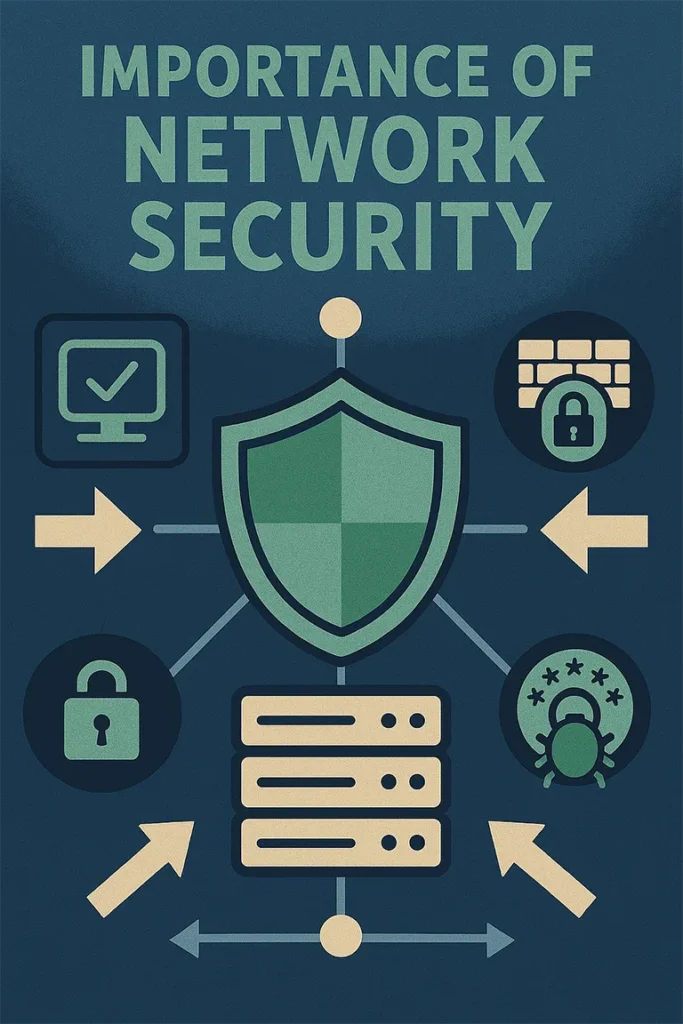
Network security is a double-edged sword. While a comprehensive security strategy provides a centralized and safe approach to data access and disaster recovery, it also introduces potential risks. Interconnecting computers can make the network vulnerable to intruders, who may gain access to multiple machines simultaneously. Implementing robust security measures is essential to mitigate these risks.
Cost-Effectiveness
Although setting up a LAN can be expensive, involving servers, cabling, switches, routers, and software, the long-term benefits often outweigh the initial costs. Sharing resources reduces the need for individual equipment purchases, and the security provided by a network can prevent costly data loss incidents.
Phases of Computer Network Management
Preliminary Analysis Phase
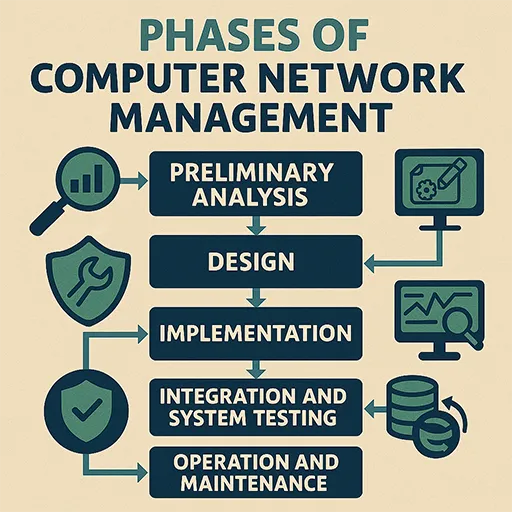
The first step in network management is conducting a preliminary analysis to identify the source of any problems and define the requirements. This phase involves evaluating different network operating systems, mail systems, applications, and hardware components. The goal is to establish what the system should achieve, rather than how it will achieve it.
Design Phase
In the design phase, the focus shifts to determining how the specified requirements will be met. Large, complex projects are typically broken down into smaller, more manageable subprojects. This approach ensures that each component is carefully considered and integrated seamlessly into the overall network design.
Implementation Phase
This phase involves the physical installation of the network. Cables are laid, software is installed, and hardware is set up. Attention to detail during this phase is crucial to ensure that the network functions as intended and meets the specified requirements.
Integration and System Testing Phase
Once the network is physically installed, the integration and system testing phase begins. This involves commissioning the network and adapting routines for users and operating personnel. Rigorous testing is conducted to ensure the network meets the specified requirements and is stable enough to perform its central function within the organization.
Operation and Maintenance Phase
Ongoing operation and maintenance are essential to keep the network running smoothly. This phase involves monitoring network performance, reliability, and security. Many companies employ dedicated system administrators to handle network issues and ensure that the network remains secure and efficient.
Tools for Effective Network Management
Monitoring and Management Tools
Even with on-site administrators, networks require around-the-clock monitoring. Many network issues can occur during off-peak hours when the network is underutilized. Using advanced network management tools can provide early warnings of potential problems, allowing administrators to address issues proactively and minimize downtime.
Automated Solutions
Automated network management solutions can significantly reduce the workload on administrators by handling routine tasks and providing real-time alerts for anomalies. These tools can also generate detailed reports on network performance, helping administrators make data-driven decisions to optimize network efficiency.
Best Practices for Modern Network Management
Regular Updates and Patches
Keeping your network software and hardware up to date is crucial for maintaining security and performance. Regular updates and patches can address vulnerabilities and improve functionality, ensuring that your network remains secure and efficient.
Redundancy and Backup Solutions
Implementing redundancy and backup solutions can protect your network from data loss and downtime. Redundant systems provide failover capabilities, ensuring that critical functions continue even if a component fails. Regular data backups and disaster recovery plans are essential to minimize the impact of potential disasters.
Employee Training and Awareness
Employees play a critical role in network security. Providing regular training and raising awareness about potential threats can help prevent security breaches. Educating employees on best practices for network usage and security can significantly enhance the overall security posture of your organization.
Conclusion
Effective computer network management is essential for modern businesses to thrive in a digital landscape. By understanding the advantages, phases, and best practices of network management, you can ensure that your network supports your business goals and provides a secure and efficient environment for your operations. Investing in the right tools and strategies will not only enhance your network’s performance but also protect your business from potential threats and disruptions.



Leave a Reply